Maintenance Guides
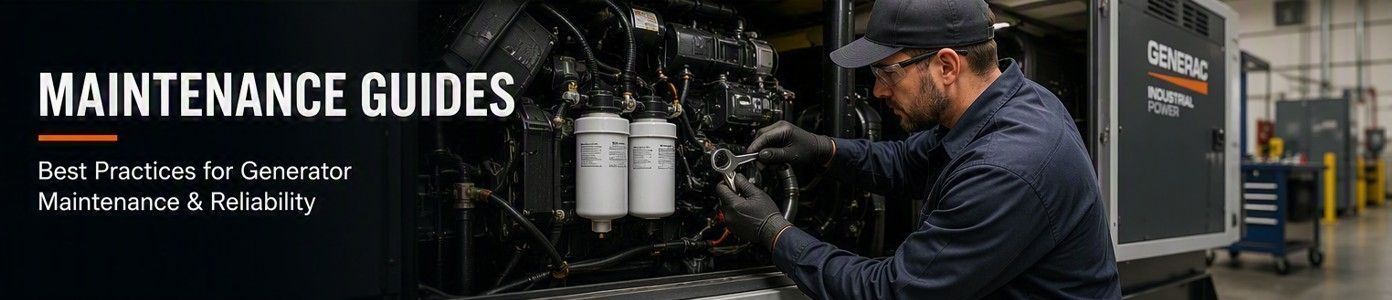
Maintenance Guides
Generator Maintenance Best Practices
Your generator is only valuable if it performs when you need it most. Regular inspections, testing, and preventive maintenance help ensure your standby power system remains reliable, compliant, and ready when an outage occurs.
Generator Systems provides expert maintenance services and support for commercial and industrial power generation systems throughout every stage of the equipment lifecycle.
Why Generator Maintenance Is Important
Routine maintenance helps:
- Improve system reliability
- Reduce unplanned downtime
- Extend equipment life
- Identify potential issues before they lead to failures
- Support compliance requirements
- Protect critical business operations
Waiting until a power outage occurs can expose hidden issues that may prevent your system from operating properly.
Recommended Generator Maintenance Schedule
Weekly
- Check for alarms or warning indicators
- Inspect fluid levels
- Verify battery charger operation
- Check for leaks or unusual conditions
Monthly
- Exercise the generator under load, when appropriate
- Inspect belts and hoses
- Verify fuel system operation
- Review control panel notifications
Quarterly
- Inspect electrical connections
- Check engine performance
- Test transfer switch operation
- Evaluate battery condition
Annually
- Complete a comprehensive preventive maintenance inspection
- Replace filters as recommended
- Change engine oil and fluids
- Inspect cooling systems
- Perform a fuel system evaluation
- Conduct operational testing
Maintenance intervals may vary based on equipment type, operating environment, and manufacturer recommendations.
Critical Components to Monitor
Engine System: A well-maintained engine is the foundation of generator reliability. Regular inspections should include:
- Oil levels and quality
- Coolant condition
- Belts and hoses
- Air filtration
- Fluid leaks
Fuel System: Fuel quality can significantly impact generator performance. Recommended practices include:
- Fuel testing
- Water contamination checks
- Fuel polishing, when necessary
- Tank inspections
- Fuel line inspections
Cooling System: Overheating can lead to unexpected shutdowns and equipment damage. Maintenance should include:
- Coolant inspections
- Radiator cleaning
- Hose inspections
- Temperature monitoring
Transfer Switches: The generator is only one part of the emergency power system. Transfer switches should be regularly inspected and tested to confirm proper operation during utility interruptions.
Signs Your Generator May Need Service
Contact a service professional if you notice:
- Warning lights or alarms
- Starting difficulties
- Excessive smoke
- Fluid leaks
- Unusual vibration
- Low power output
- Frequent shutdowns
- Extended cranking times
Addressing issues early can reduce repair costs and help prevent emergency failures.
Load Bank Testing
Many facilities benefit from periodic load bank testing to verify system performance under operating conditions. Load bank testing can help:
- Confirm generator capacity
- Identify engine performance issues
- Reduce fuel system problems
- Verify overall system readiness
Our technicians can help determine whether load bank testing is appropriate for your equipment and operating requirements.
Preventive Maintenance Programs
Generator Systems LLC offers customized maintenance programs designed to support long-term equipment reliability. Our services include:
- Scheduled inspections
- Preventive maintenance
- Emergency repairs
- Load bank testing
- Transfer switch service
- Fuel system evaluations
- Startup and commissioning support
Protect Your Investment
A reliable maintenance program helps maximize system performance while reducing the risk of unexpected failures.
Generator Systems LLC provides professional maintenance and service solutions for commercial and industrial generator systems.
Contact our team today to schedule maintenance service or discuss a customized preventive maintenance program.